Articles by Neill Ridgley50

History of Klondike and Nome Gold Rush Events
Mining History

History of Klondike and Nome Gold Rush Events

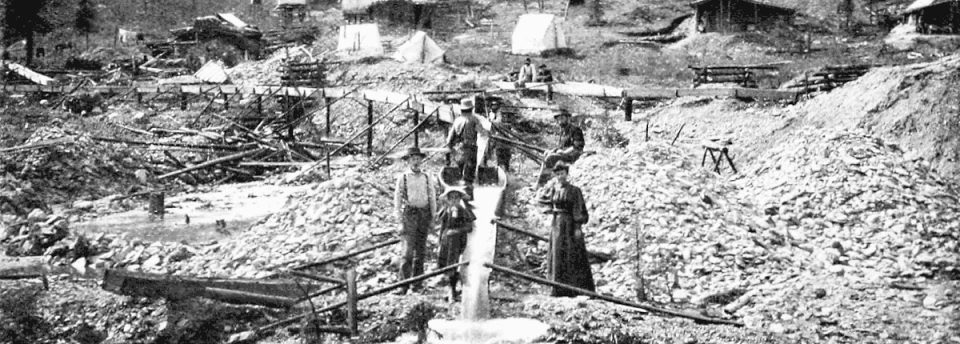
The Klondike (Yukon) Gold Rush holds the record as one of the shortest-lived mining booms ever, lasting a scant 2 years, from August 1896 to September, 1898, when it was undermined by the slightly longer-lived Nome (Alaska) Gold Rush (September 1898 to 1905).
Mineral Overview

Aragonite - The Pearly Carbonate

Aragonite is the less known cousin of calcite. Despite the lack of popularity, aragonite crystals and stalactites are among the most aesthetically-pleasing mineral specimes. Aragonite is present in various hydrothermal environments and it is the principal component of mollusk shells, coral skeletons and pearls.

Mineral Overview

Hematite (The Bloodstone Ore) - Mineral Properties and Occurence

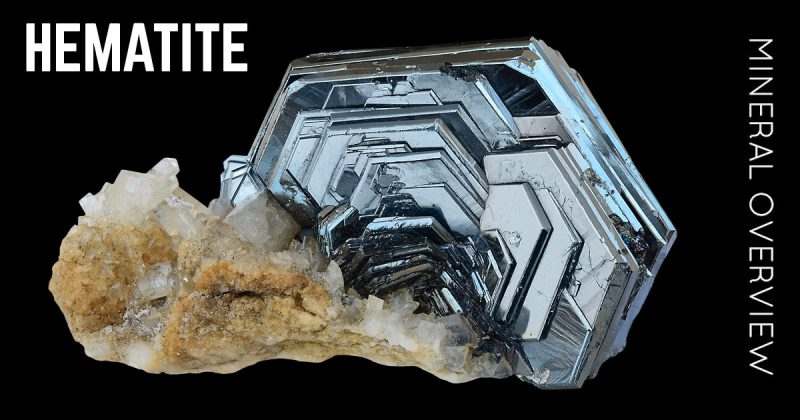
Hematite is the abundant form of iron oxide, natural red pigment, and an integral part of the largest iron ore deposits on Earth. Highly aesthetic crystals and shiny botryoidal hematite aggregates are also very popular collector specimens.

Vivianite - The Green Iron
Mineral Overview

Vivianite - The Green Iron

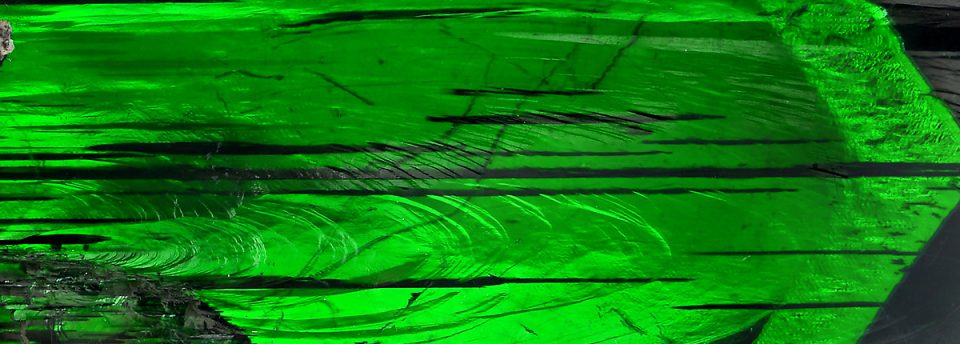
Vivianite is found in many geological environments. Its great blue-green crystals are very rare and very popular among collectors. Also vivianite filled fossil shells are among very interesting and popular collectors items.

Mineral Overview

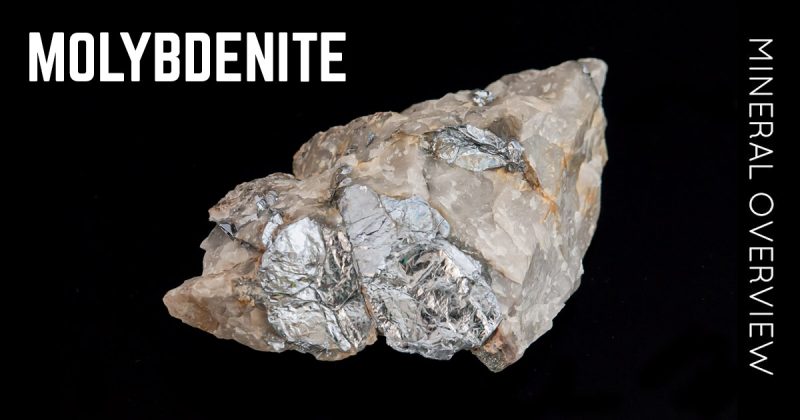
Molybdenite - The Greasy Mineral

Molybdenite is the principal ore mineral of molybdenum and rhenium. It occurs widely in igneous and metamorphic rocks generated under high temperature conditions. Despite its lack of popularity and rare crystal forms, it is a very interesting and important industrial mineral.

Opal - The Colorful Silica
Mineral Overview

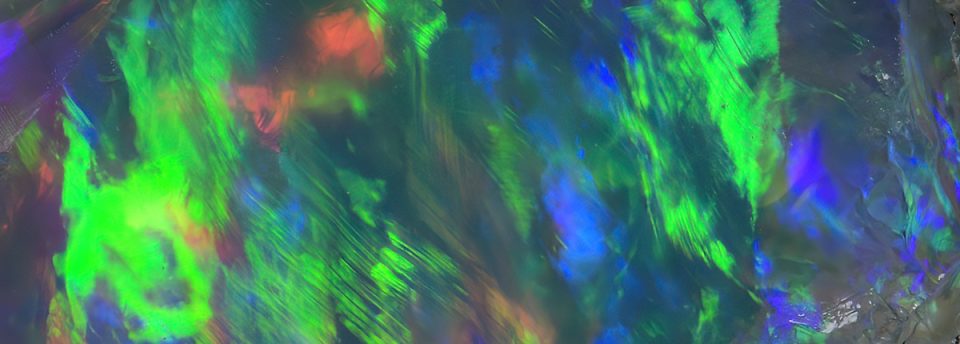
Opal - The Colorful Silica

Opal is most valued for the rich variety of colors it exhibits, their interplay in ordinary light, and their unusual range of fluorescence. These attributes have guaranteed its continuing value as a gemstone since pre-Roman times.

Mineral Overview

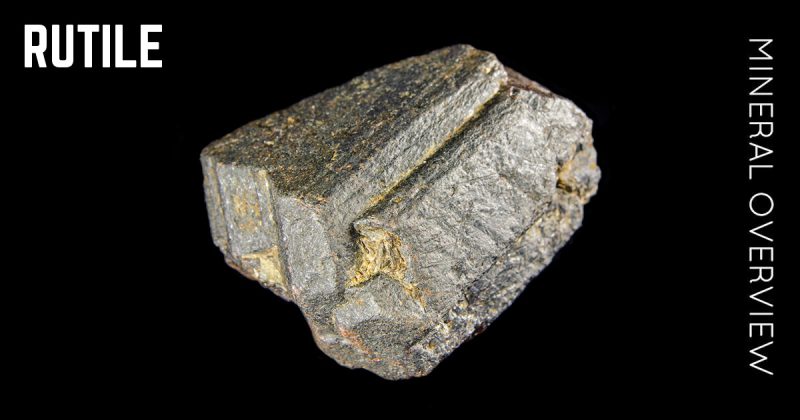
Rutile - the Titanium Crystals

Rutile is a mineral of many forms and colors. It is quite widespread accessory mineral in many rocks but nice crystals are much less common. Rutile is also important source of titanium and has various industrial applications.

Mineral Overview

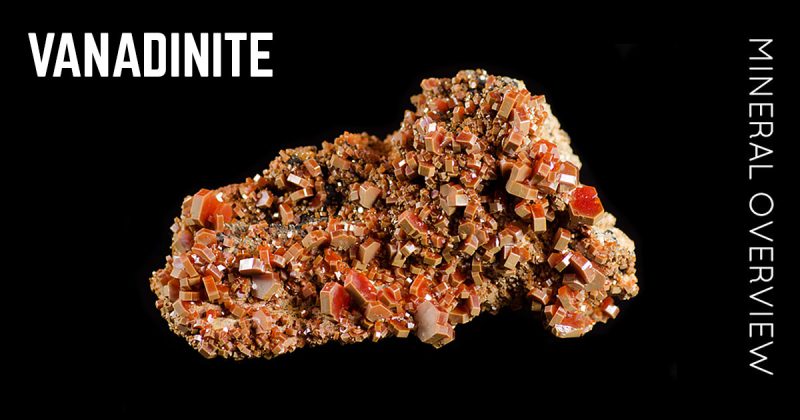
Vanadinite - The Red Lead

Vanadinite is a popular secondary mineral species of vanadium and lead, occurring as an orange-red hexagonal crystals. Like many other exotic minerals, vanadinite has a complicated history of recognition and identification.

Rhodochrosite - Mineral Properties, Photos and Occurence
Mineral Overview

Rhodochrosite - Mineral Properties, Photos and Occurence

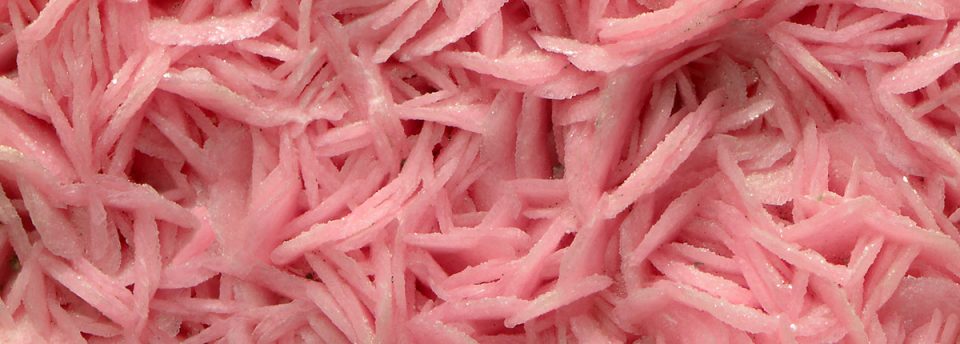
Rhodochrosite is a manganese carbonate. Its value now resides almost entirely in the quality of its hot pink and deep red specimens, which are sought after by collectors and command extremely high prices.

Mineral Overview

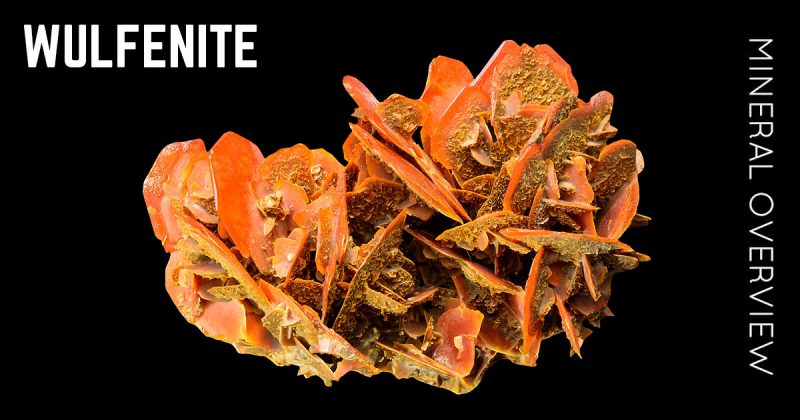
Wulfenite - The Yellow Plates

Wulfenite is a mineral species composed of lead molybdate, Pb(MoO4), sometimes occurring in sufficient abundance to be mined as an ore of lead, but in practice its molybdenum content is greater. Even so, it is rarely used as an ore mineral because there are easier sources of lead or molybdenum available to exploit.

Mineral Overview

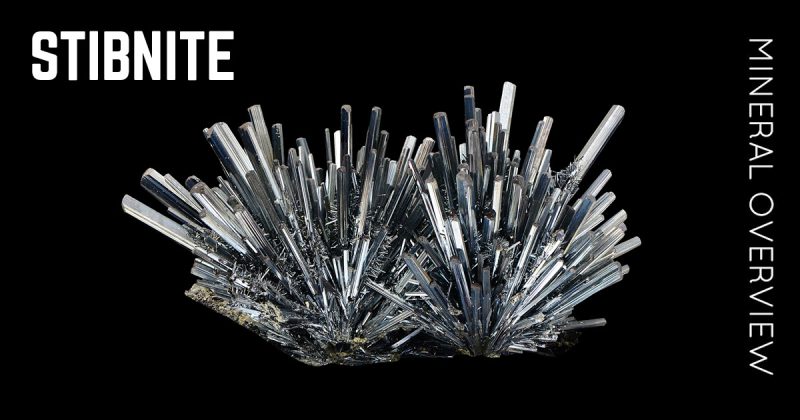
Stibnite - The Bladed Crystals

Stibnite is the principal ore of antimony. The mineral is widely admired for its spectacular crystalline habits, which exhibit extremes of sharpness, luster and size. Its principal metallic component, antimony, probably received its name from the Greek anthemon, describing its flowery appearance in clusters. The Latin name for the mineral, stibium, survives today as stibnite.