Articles108

Celestine - The Sky-Blue Mineral
Mineral Overview

Celestine - The Sky-Blue Mineral

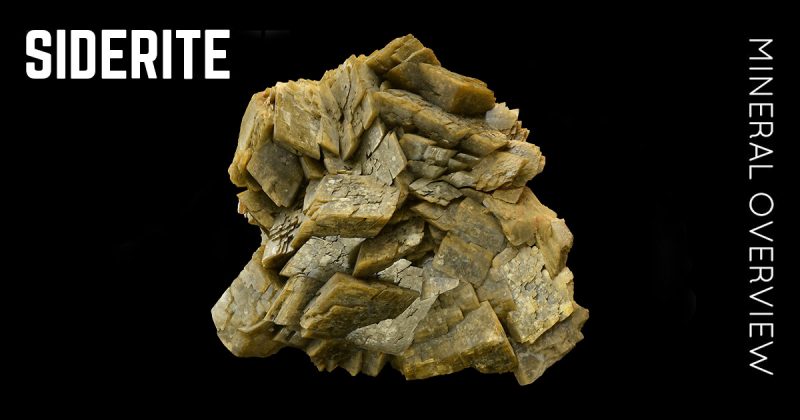
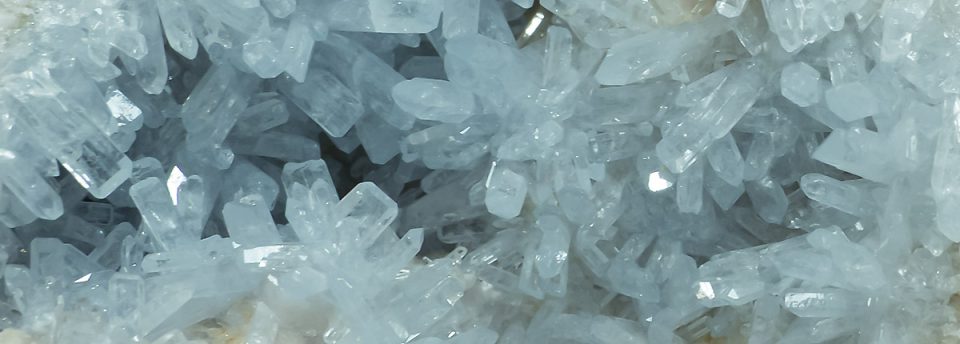
Celestine (aka celestite) owes its name to its delicate blue (celestial) color. Although not a well-known mineral name, celestine has a certain cachet because the strontium it contains is famous for the brilliant red flashes it produces when used in fireworks.
Mineral Overview

Chrysocolla - The Bright Blue-Green Copper Silicate

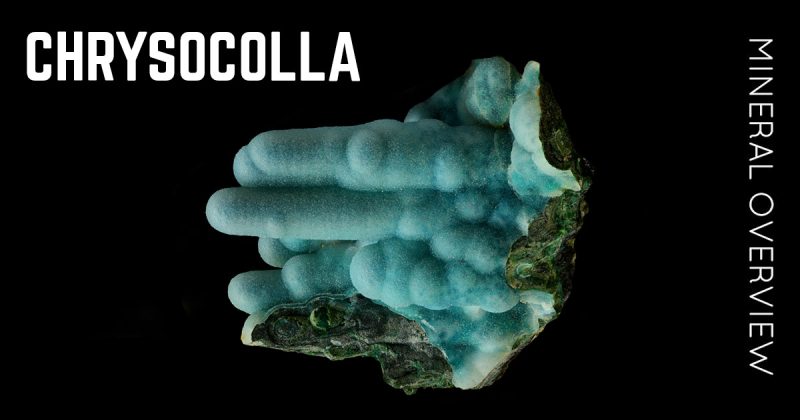
Chrysocolla is a bright colored hydrated copper sheet silicate and a minor ore of copper, usually appearing as secondary encrustations on primary copper ores. It is among the brightest of blue and blue-green minerals, accounting for its desirability.

Prehnite - The Epimorph Champion
Mineral Overview

Prehnite - The Epimorph Champion

Prehnite is a common calcium silicate, which can form outstanding crystalline aggregates. Its nice crystal forms and pleasing colors make it a very popular among collectors. Prehnite is also used by jewelers and it is an important metamorphic index mineral.

Mineral Overview

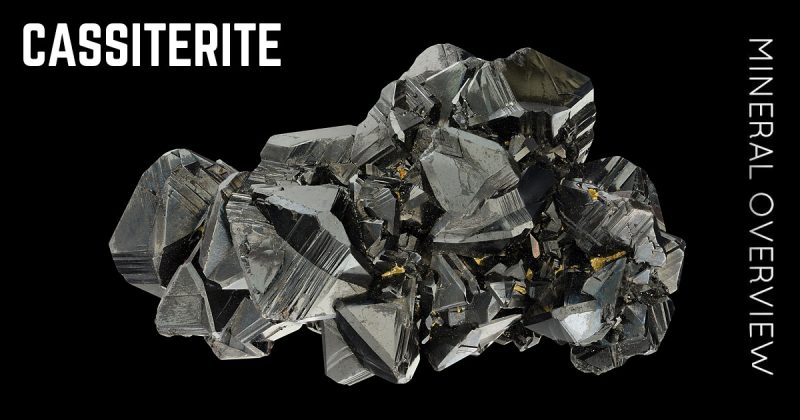
Cassiterite - the Tin Ore Mineral Overview

Cassiterite constitutes the chief ore of tin, as well as highly aesthetic and popular mineral specimen. Tin was a foundation of the beginning of metal smelting in the early Bronze Age and still constitutes one of the core materials of modern technology.

Mineral Overview

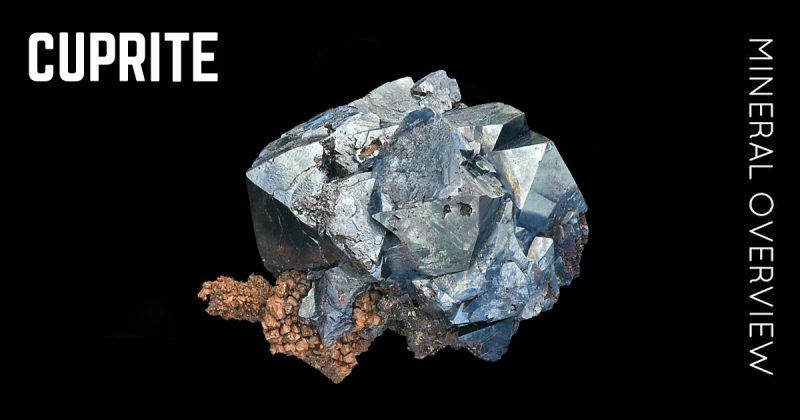
Cuprite - Mineral Properties and Occurence

Cuprite is a minor ore of copper, usually appearing as secondary encrustations on primary copper ores. Nice and rare cuprite crystals are a popular among collectors. It is prized as a gemstone because of its vivid red internal reflection, but its softness precludes wide use in jewelry.

Titanite - The Sphene
Mineral Overview

Titanite - The Sphene

Titanite is a common titanium silicate, which can form outstanding and gemmy crystals. It is an attractive gemstone and collector material with vibrant green and yellow crystal forms. However, its low hardness and intrinsic fragility makes it unsuitable for commercial jewelry use, keeping it from becoming a mainstream product.

Mining History

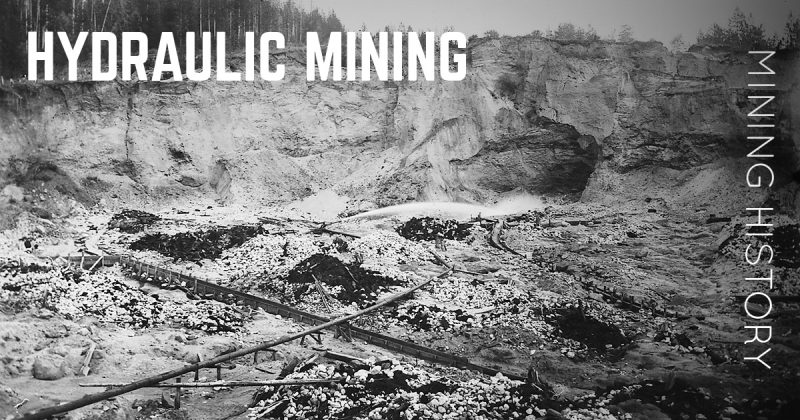
Hydraulic Gold Mining - History and Current Use

Hydraulic mining is easy and efficient method to move huge amounts of dirt. It was used by Romans in their placer gold mines and later became very popular during California and Alaska gold rush events.

Mineral Overview

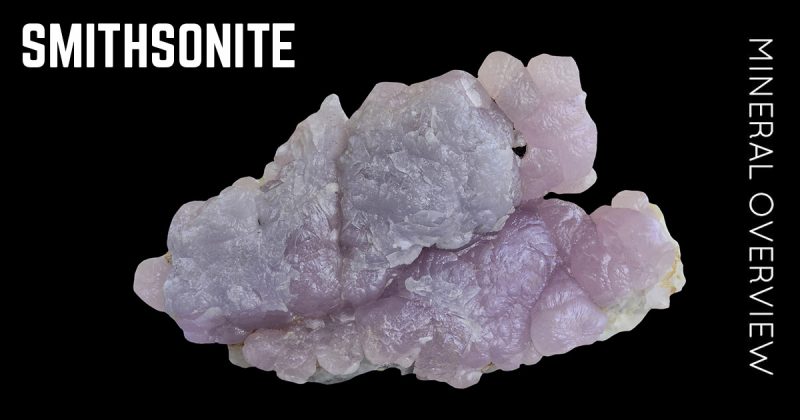
Smithsonite - The Calamine Carbonate

Smithsonite, aka zinc spar, is an uncommon and colorful secondary carbonate. It was rarely mined as a zinc ore, but its rich variety of colors and aesthetic specimens make it a highly valued mineral by many collectors.

Mineral Collectors Safety
Mineral Collecting

Mineral Collectors Safety

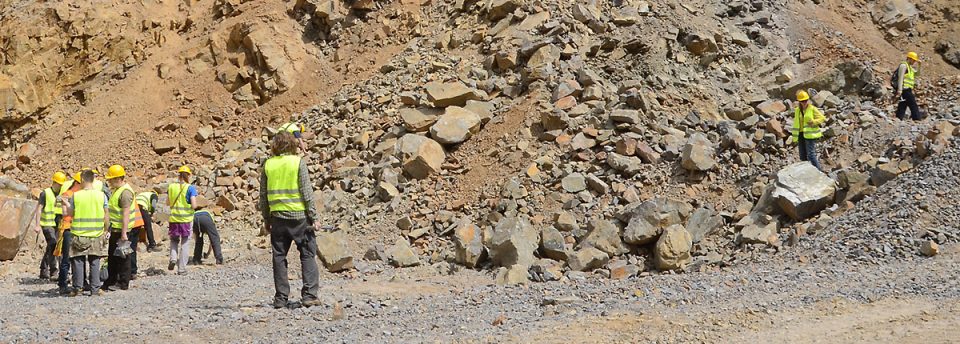
Collecting minerals is like driving. If you do stupid things and make bad decisions, you might get yourself or someone else injured or even killed. It is less painful to learn from mistakes of someone else.

Mineral Show Report

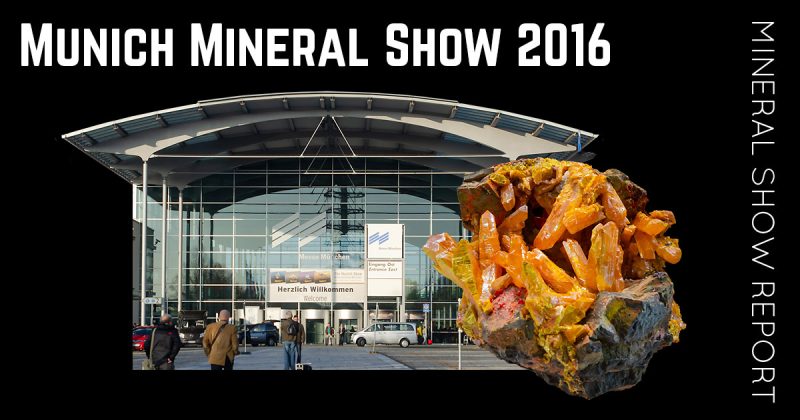
Report from Munich Mineral Show 2016

Munich show is the important European mineral show. Munich 2016 was definitely worth to see, many new minerals, many old friends. The exposition of the Alpine minerals was very nice, as well as wide selection of minerals for sale.

Mineral Overview

Siderite – Mineral Properties, Photos and Occurrence

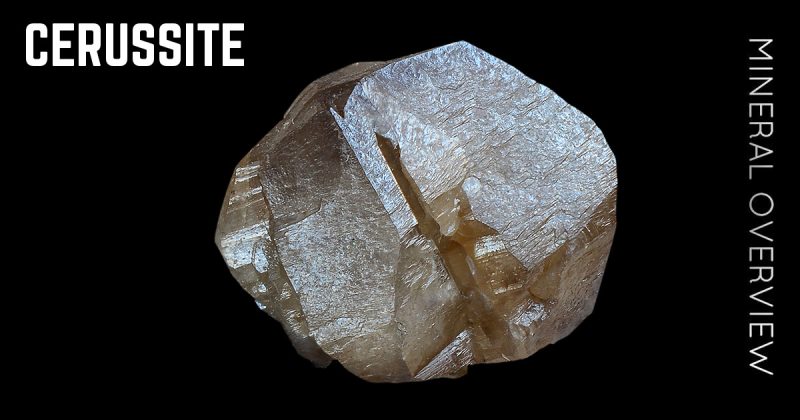
Siderite is both an iron ore and gangue mineral. Its principal economic value lies in its high iron content and the absence of process contaminants such as sulfur or phosphorous. It is part of a large group of isomorphous minerals, the calcite group carbonates, which share similar physical properties, and rhombohedral crystal form.